
Mould Removal Mississauga
Mould removal Mississauga homeowners ask for usually begins with a musty basement, a ceiling stain that keeps returning or a bathroom wall that never quite dries.
Fully licensed and insured
Monday to Sunday: Open 24 hours
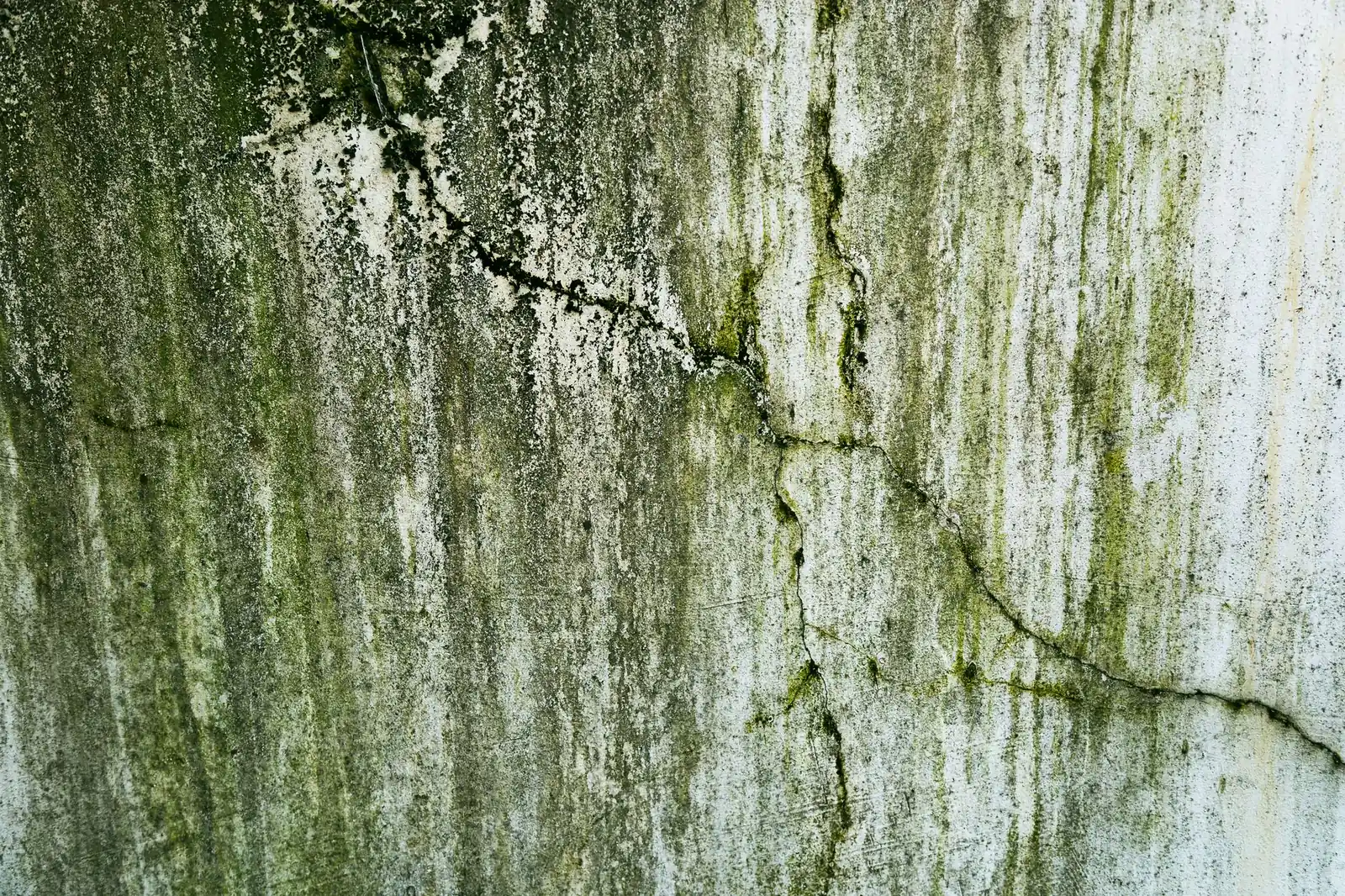
What mould removal looks like in Mississauga houses
Mississauga is mostly a suburban city, and most of its houses were built from the 1960s onward as detached homes, semis and townhouses with full basements. Many of those basements were finished by later owners with carpet, drywall and a drop ceiling, which gives moisture plenty of places to sit unseen. When we remove mould from a Mississauga home, the job starts by working out where the water came from: a window well that fills in spring, a foundation crack, a laundry drain, or a bathroom fan that vents into the attic.
Once the source is clear, the affected room is sealed off from the rest of the house, air is filtered, and materials that mould has grown into, such as drywall, underlay and insulation, are removed. Hard surfaces that can be cleaned are cleaned. Then the structure is dried before anything is rebuilt, because new drywall over damp framing only starts the problem again.
Neighbourhoods and the problems we see
In lakeside areas such as Port Credit, Lakeview and Clarkson, older bungalows and one and a half storey homes sit on lots where the water table is relatively high, so damp basements and wet crawl spaces come up often. In Streetsville, Meadowvale and Erin Mills the housing is newer, with finished lower levels, walkout basements and larger bathrooms with soaker tubs, and the usual culprits are plumbing leaks and condensation behind finishes.
Condominium townhouses and stacked units around Cooksville and the city centre have their own pattern. Tight construction holds humidity indoors, so a failed exhaust fan or a slow leak from the unit above can lead to mould on ceilings and behind baseboards.
Signs that a Mississauga home needs assessment
- A musty odour in a finished basement that returns after cleaning
- Dark spotting on bathroom ceilings or around the base of a window
- Drywall that feels soft or paint that bubbles near an exterior wall
- A past flood or sewer backup that was dried only on the surface
- Condensation that runs down windows every winter
How the work proceeds
- Free assessmentWe visit, trace the moisture source and tell you what we find in plain language.
- Written scope and priceAfter seeing the home we put the scope and price in writing before any work.
- Containment and removalThe room is sealed and filtered, and affected materials come out.
- Drying and rebuildThe structure is dried, usually over 3 to 5 days, and finishes are rebuilt.
What Health Canada says about size and testing
Health Canada's guide to moisture and mould indoors treats patches of up to about one square metre as something a household can often clean carefully, and a single patch larger than three square metres as work needing professional assessment and cleanup. It also notes that air testing for mould is generally not recommended, because an air test does not predict health effects or address the cause. That matches how we work: a thorough visual inspection, moisture readings and a plan to remove the water source come first.
Peel Region and City of Mississauga guidance
Peel Region's basement flooding page recommends removing and disposing of materials at least 50 cm (20 inches) above the high-water line after long-standing water, then drying the affected areas thoroughly, to prevent mould. The City of Mississauga's stormwater page links mould prevention to keeping downspouts maintained. We found no separate Peel Public Health mould page, so a house with visible growth is best judged on site (checked November 2026).
Mississauga mould questions
Do you serve all of Mississauga?
We take calls from across the city. Give us your nearest intersection and we will confirm a visit time.
What do I pay for the first visit?
Nothing. After the visit you get the scope and price in writing, and you decide whether to go ahead.
Can I claim this on my house insurance?
Whether a claim is paid is decided by your insurer, based on your policy and how the water got in. We keep full photographs and notes for your adjuster.
Do I need to move out?
Usually you can stay, since the affected room is closed off from the rest of the house. If a particular job needs other arrangements, you hear it first.
Request a quote
Tell us what you need and we will get back to you. In a hurry? Calling is fastest.